Seeds are the starting point for many plants, and understanding their basic structures is essential for any botanist or gardener. A seed typically consists of three main parts: the seed coat, the embryo, and the endosperm. The seed coat provides protection for the seed, while the embryo contains the genetic material necessary for growth. The endosperm, on the other hand, serves as a food source for the developing plant.
The process of germination is a complex and highly regulated process that involves the activation of the seed’s metabolic pathways. It is triggered by the presence of water, light, and suitable temperatures. As the seed absorbs water, the seed coat begins to soften, and the embryo starts to grow. The radicle, or primary root, emerges first, followed by the cotyledon, or seed leaf. This process is crucial for the development of the plant, and understanding it is essential for anyone interested in botany or horticulture.
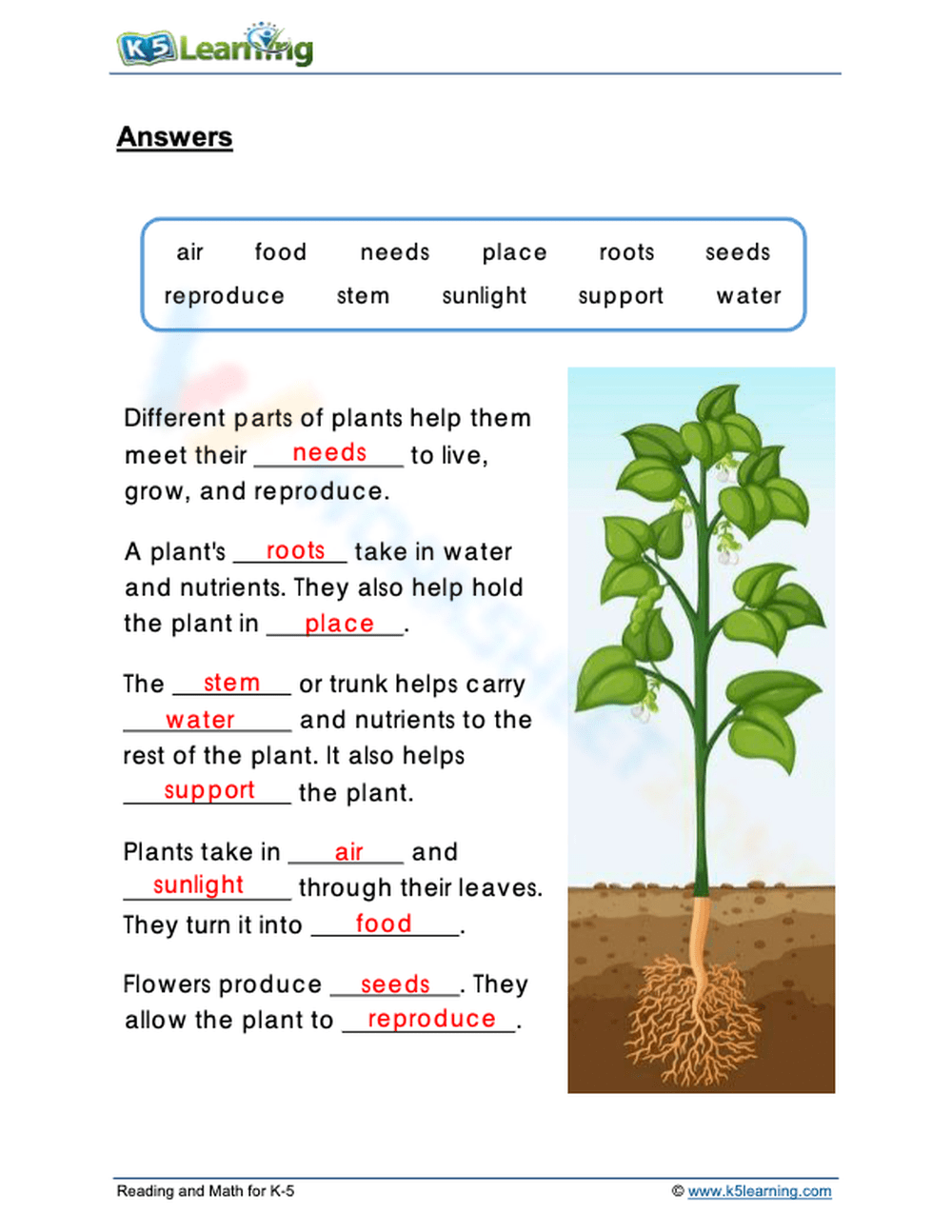
Printable Stages Of Seed Germination Worksheets
Understanding the Basic Structures of a Seed
To truly comprehend the basic structures of a seed, it is essential to understand the different components that make up the seed. The seed coat, also known as the testa, is the outermost layer of the seed and provides protection against environmental stresses. The embryo, on the other hand, contains the radicle, cotyledon, and hypocotyl, which are the primary root, seed leaf, and stem, respectively. The endosperm, as mentioned earlier, serves as a food source for the developing plant. By understanding these components, one can better appreciate the complex process of germination.
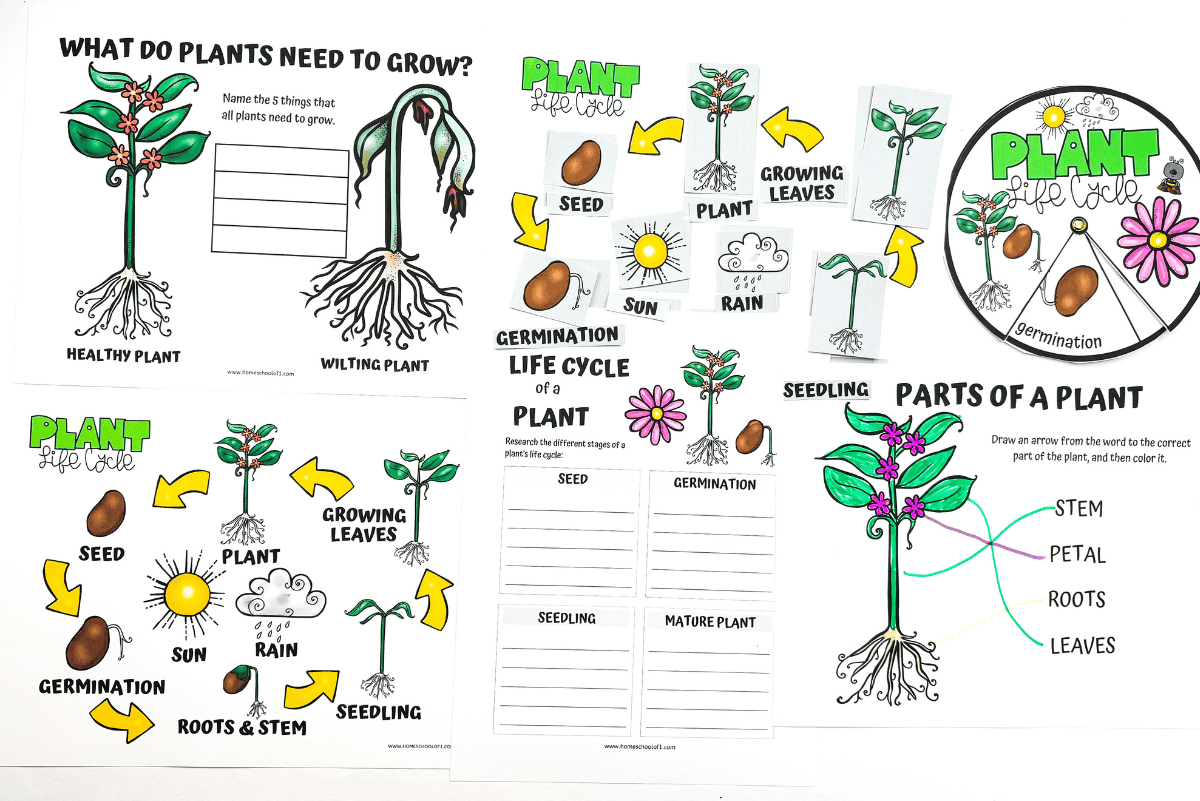
Free Plant Life Cycle Worksheet For Kids
The Germination Process: A Step-by-Step Guide
The germination process is a highly regulated and complex process that involves the coordination of multiple physiological and biochemical events. It begins with the absorption of water, which triggers the activation of enzymes and the breakdown of stored nutrients. As the seed absorbs water, the seed coat begins to soften, and the embryo starts to grow. The radicle emerges first, followed by the cotyledon, and eventually, the hypocotyl. This process is highly dependent on environmental factors, such as light, temperature, and water availability, and understanding these factors is crucial for optimizing germination rates.
Creating a Comprehensive Germination Worksheet
Creating a comprehensive germination worksheet is an excellent way to reinforce one’s understanding of the germination process. Such a worksheet should include diagrams of the seed’s basic structures, as well as illustrations of the different stages of germination. It should also include questions that test one’s knowledge of the process, such as the factors that influence germination rates and the role of different plant hormones. By using a worksheet, one can develop a deeper understanding of the germination process and appreciate the complexity and beauty of plant development.
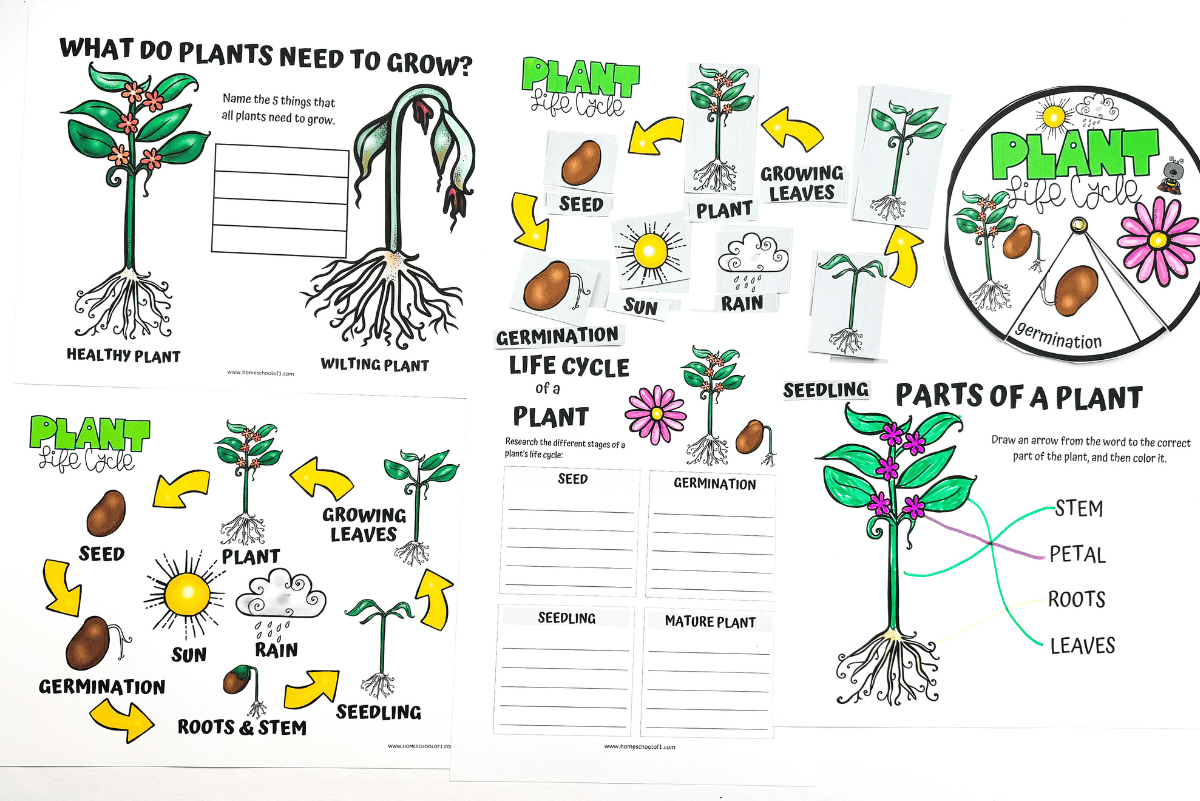
Free Plant Life Cycle Worksheet For Kids
By using a basic structures of a seed and germination worksheet printable, one can develop a comprehensive understanding of the seed’s basic structures and the germination process. Such a worksheet can be used in educational settings, such as classrooms or online courses, or as a study aid for individuals interested in botany or horticulture. It can also be used as a reference guide for gardeners or farmers who want to optimize their germination rates and improve crop yields. Whatever the context, a well-designed worksheet can be an invaluable tool for anyone looking to unlock the secrets of seeds and germination.
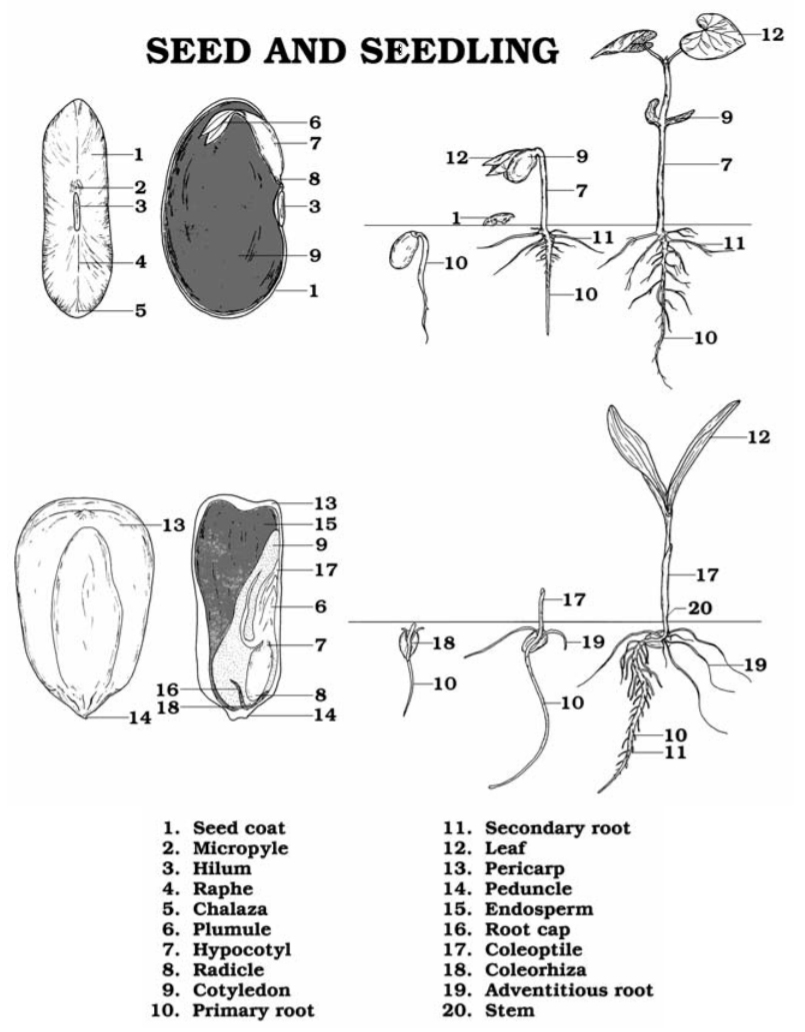
Printable Stages Of Seed Germination Worksheets
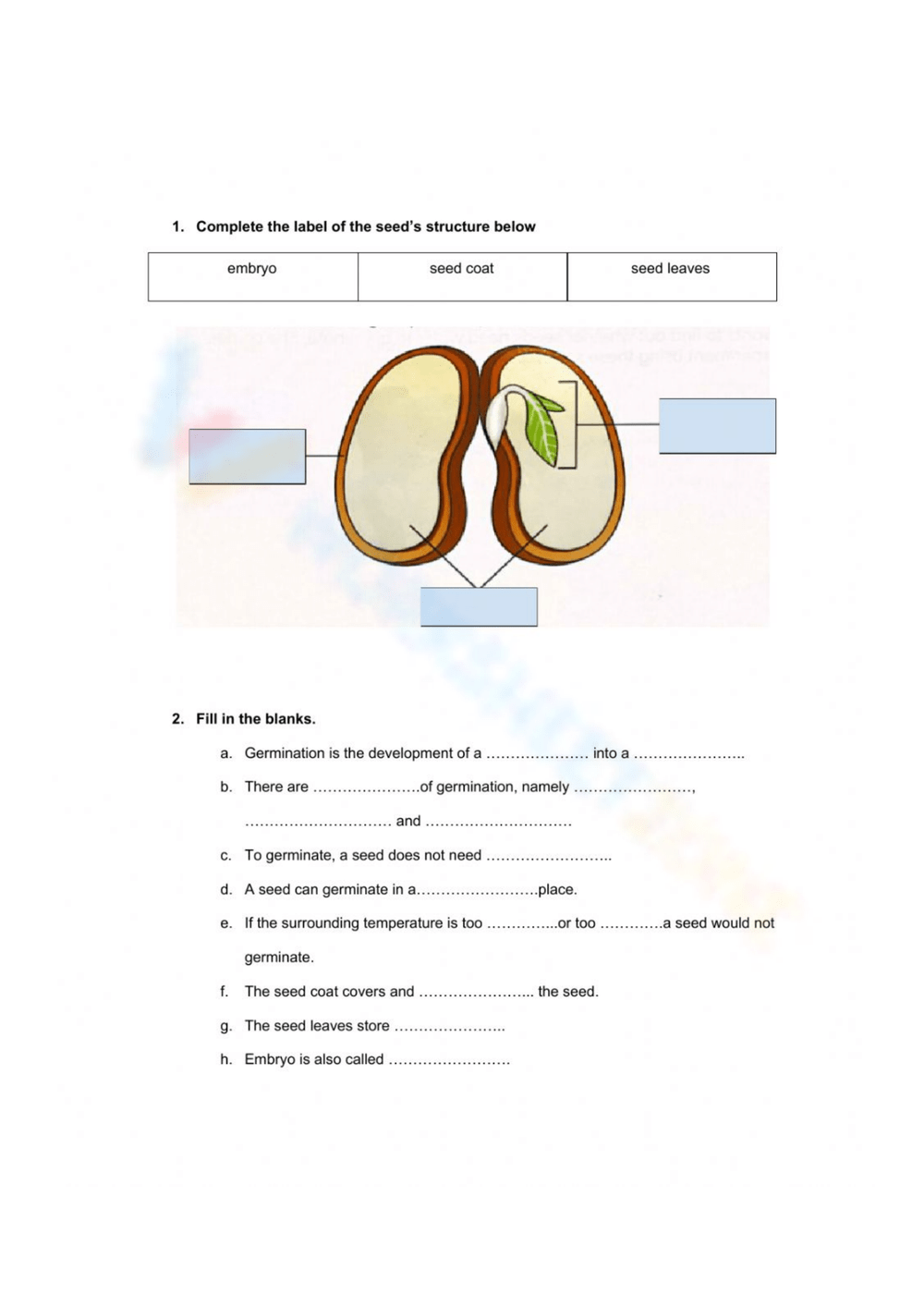
Printable Stages Of Seed Germination Worksheets