The pyramids of ancient Egypt have long been a source of fascination and wonder. These towering structures, built over 4,500 years ago, continue to inspire awe and curiosity. But have you ever stopped to think about how these incredible feats of engineering were constructed? The process of building a pyramid was a complex and labor-intensive one, requiring the efforts of thousands of skilled workers. From the initial planning and design to the final placement of the capstone, every step of the process was crucial to the pyramid’s success.
One of the most impressive aspects of pyramid construction is the sheer scale of the project. The Great Pyramid of Giza, for example, is estimated to have required over 2.3 million stone blocks, each weighing an average of 2.5 tons. The pyramid’s original height was over 481 feet, making it the tallest man-made structure in the world for over 3,800 years. The precision and accuracy of the pyramid’s construction are a testament to the advanced engineering skills of the ancient Egyptians.
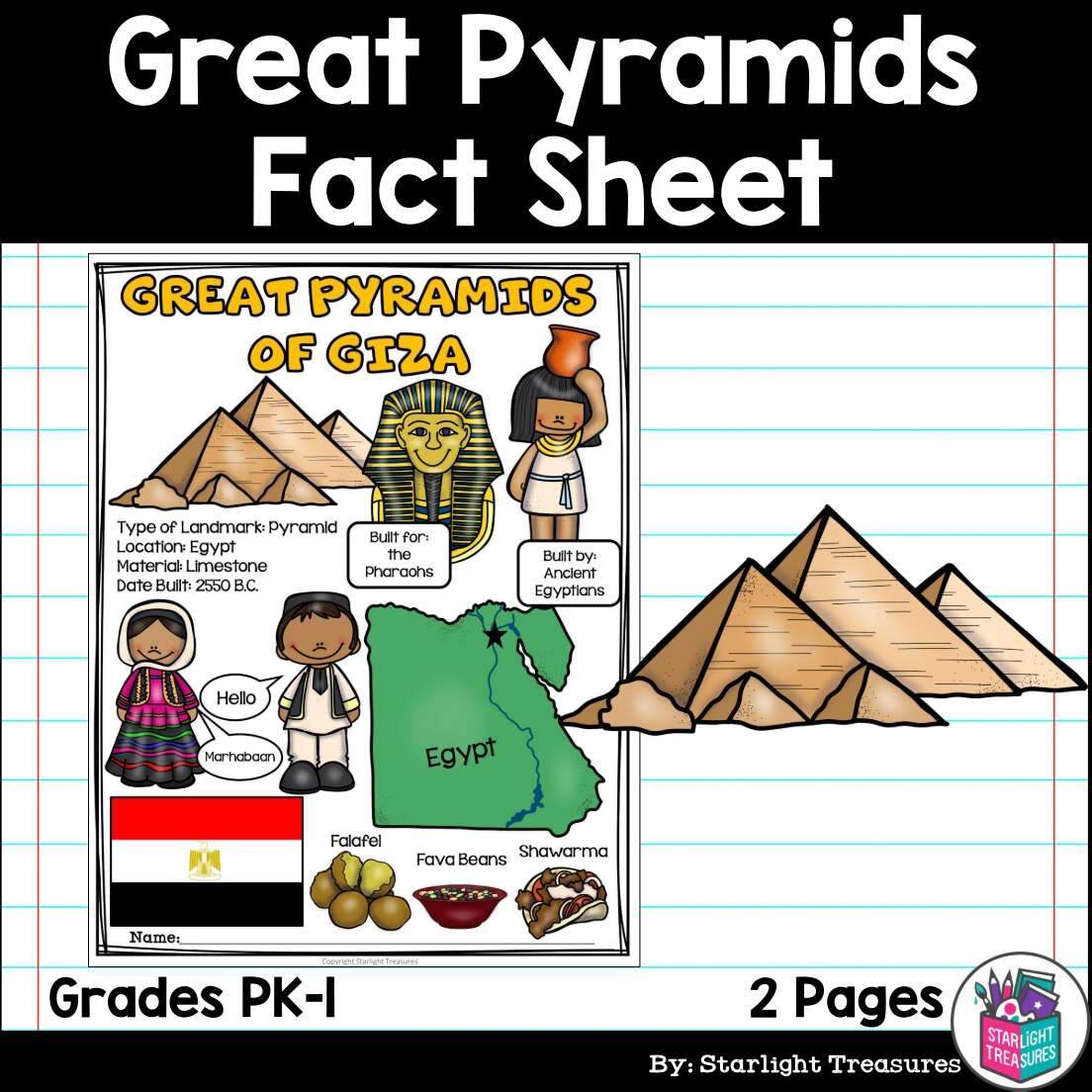
Great Pyramids Of Giza Fact Sheet For Early Readers World Landmarks Made By Teachers
Introduction to Pyramid Construction
The process of building a pyramid began with the planning and design phase. The pharaoh and his architects would carefully plan the pyramid’s dimensions, taking into account the site’s geography and the available resources. The next step was the excavation of the site, which involved removing any debris or obstacles and creating a level foundation. The core of the pyramid was built using limestone and granite blocks, some of which weighed as much as 80 tons. The smooth exterior of the pyramid was covered in highly polished white limestone, which reflected the sun’s light and gave the pyramid a shining, ethereal appearance.
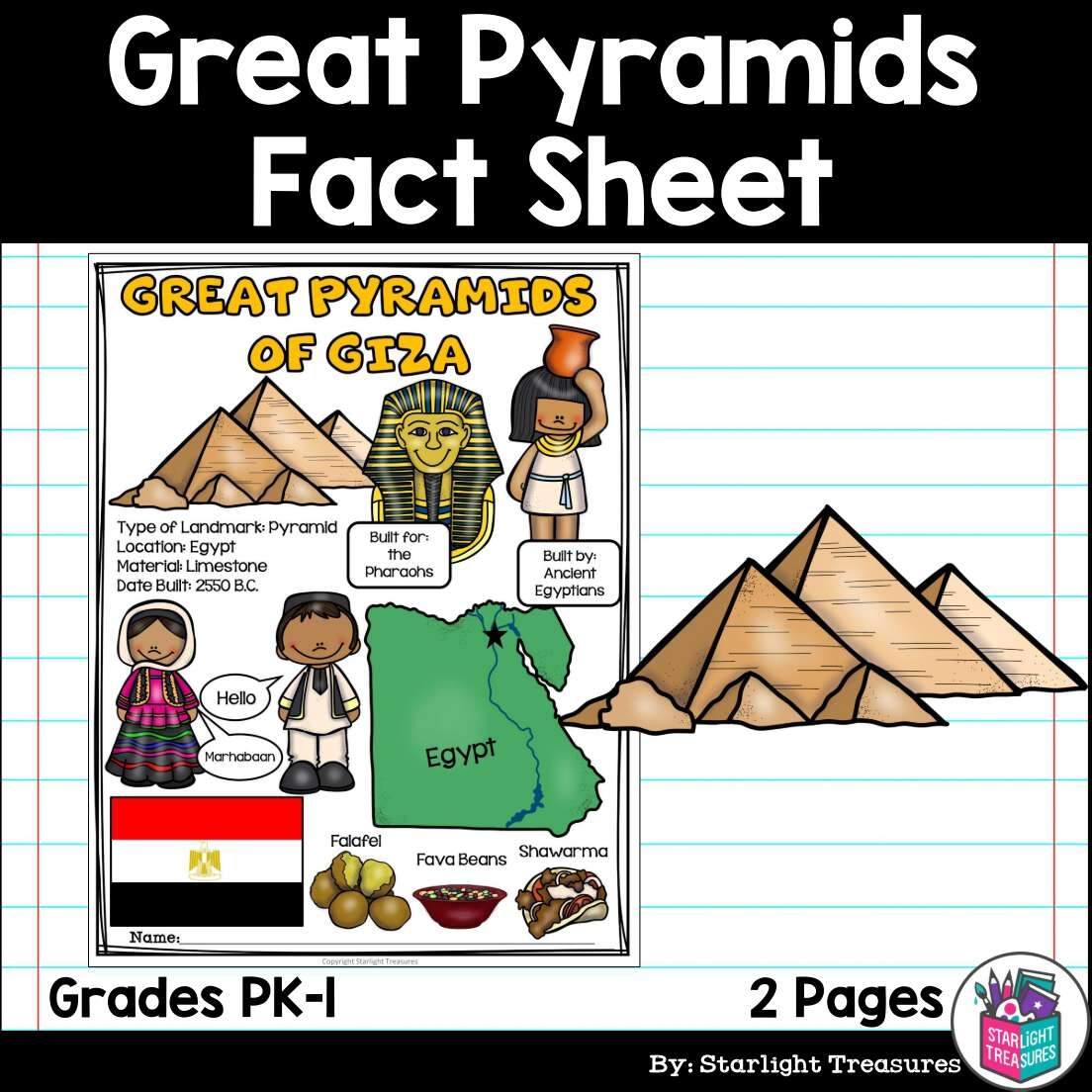
Great Pyramids Of Giza Fact Sheet For Early Readers World Landmarks Made By Teachers
The Great Pyramid of Giza: A Marvel of Engineering
The Great Pyramid of Giza is an iconic symbol of ancient Egypt and one of the most impressive architectural achievements in history. Built as a tomb for the pharaoh Khufu, the pyramid is a masterpiece of engineering and construction. The pyramid’s base is a square, with each side aligning almost perfectly with the four cardinal directions (north, south, east, and west). The pyramid’s internal chamber and passageway system are equally impressive, featuring a complex network of tunnels and rooms that were believed to facilitate the pharaoh’s journey into the afterlife.
Pyramid Building Techniques and Printable Resources
For educators and students looking to explore the fascinating history of pyramid construction, there are many printable resources available. These worksheets and activity sheets can help to bring the subject to life, providing a engaging and interactive way to learn about ancient civilizations. From cross-section diagrams of the pyramid’s internal chamber to worksheets on the mathematical calculations involved in pyramid construction, there are many ways to make learning about pyramids fun and accessible. Whether you’re a teacher looking for educational resources or a student seeking to deepen your understanding of ancient history, printable worksheets on pyramid construction are an excellent place to start.
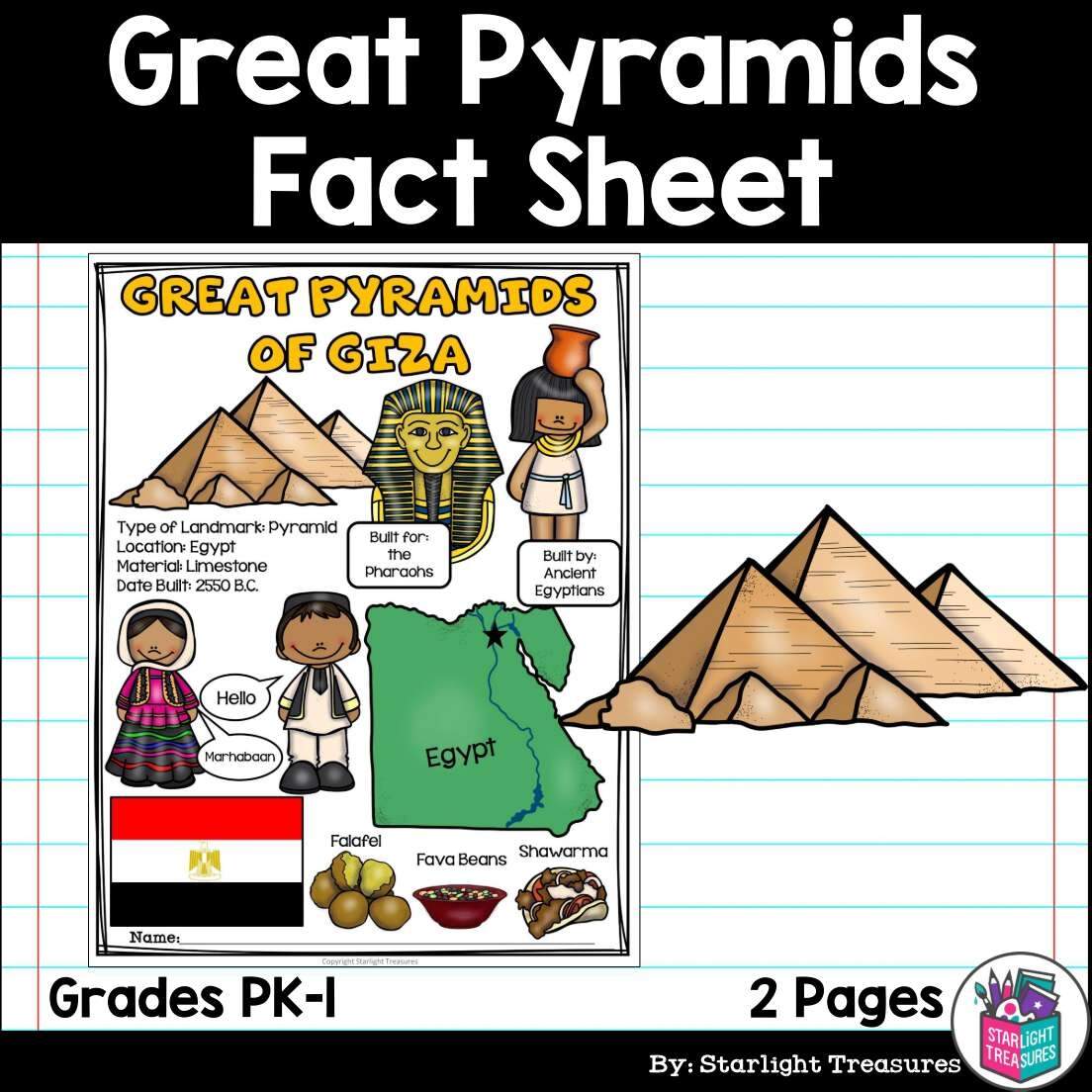
Great Pyramids Of Giza Fact Sheet For Early Readers World Landmarks Made By Teachers
In conclusion, the construction of the pyramids is a fascinating topic that continues to capture the imagination of people around the world. By exploring the history and techniques of pyramid building, we can gain a deeper appreciation for the ingenuity and skill of ancient civilizations. With the help of printable worksheets and educational resources, students and educators can delve into the world of pyramid construction and discover the secrets of these incredible ancient structures. Whether you’re interested in history, architecture, or engineering, the pyramids are an unforgettable and awe-inspiring topic that is sure to inspire and educate.
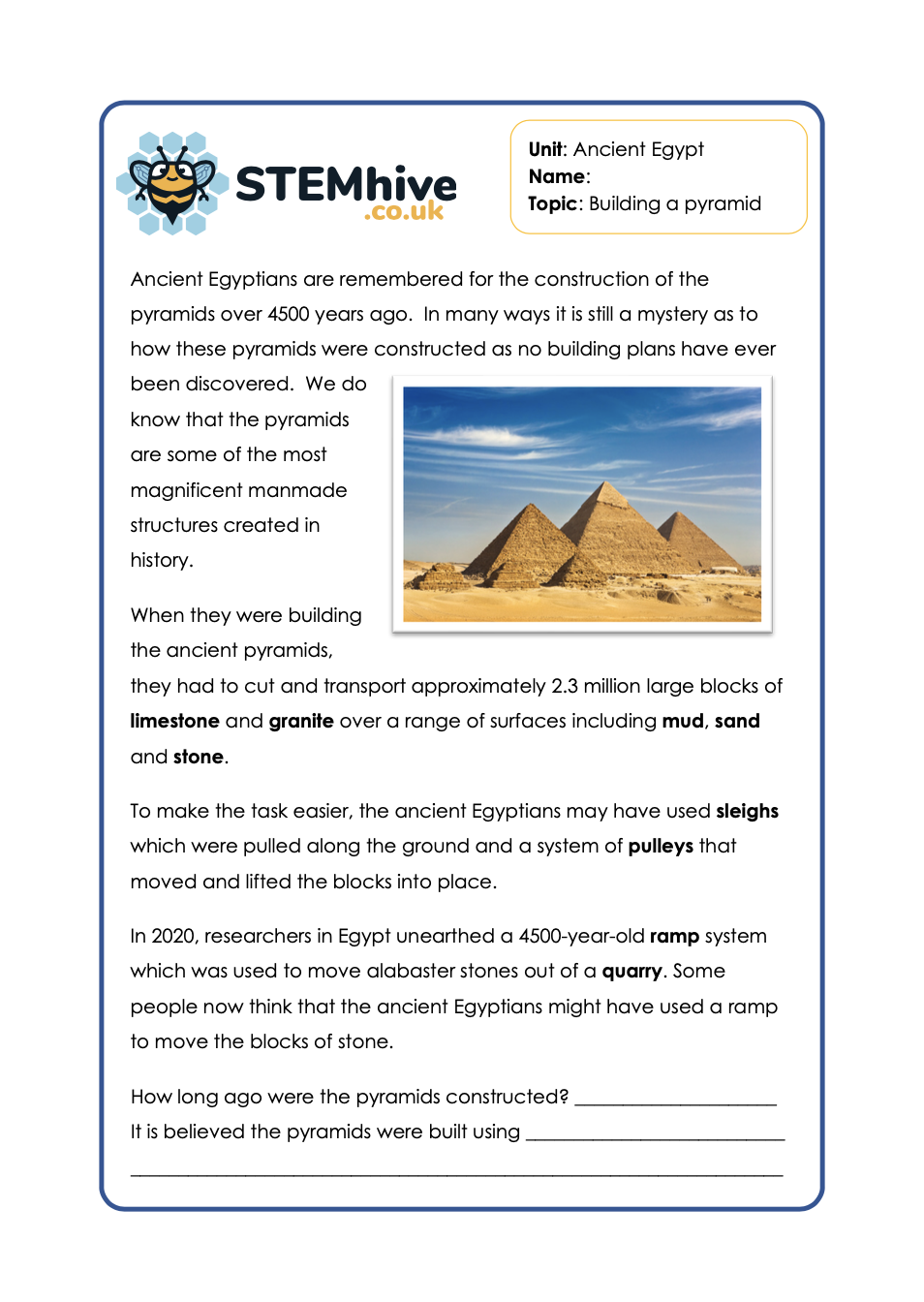
Ancient Egypt Topic Science STEM Year 3 Year 4 Experiments Activities
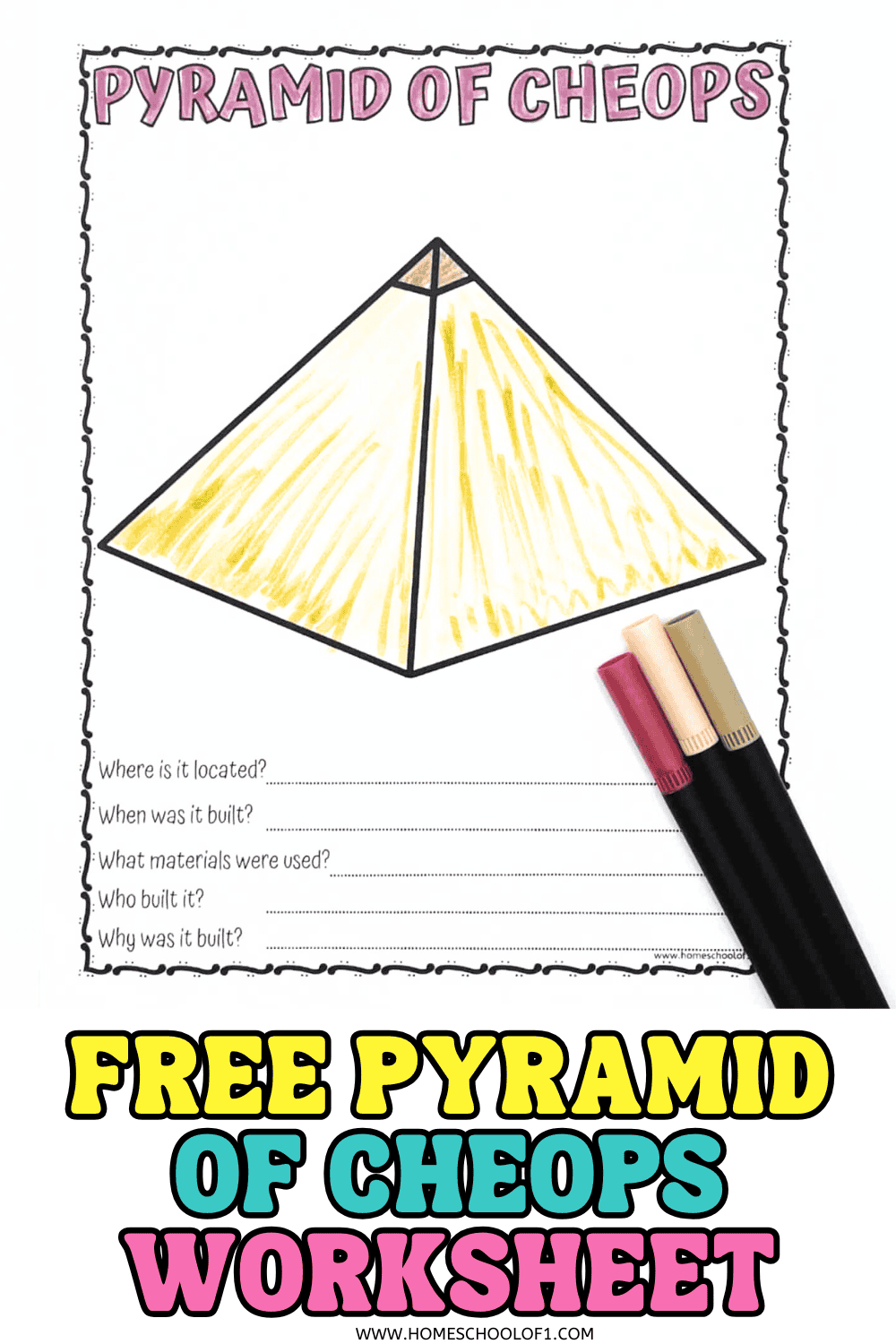
Pyramid Of Cheops Worksheet Fun Facts For Kids